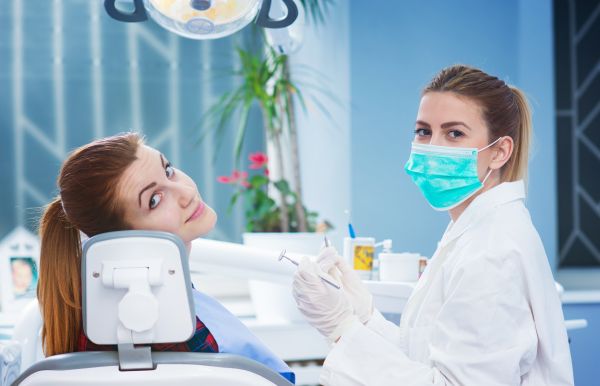
Minimally invasive dentistry is a great way to conserve the structural integrity of your teeth by preventing tooth decay and treating concerns in a minimally invasive manner. Anyone who is concerned that dental work is too invasive, expensive or requires long recovery times should consider how minimally invasive dentistry can benefit them.
An overview of minimally invasive dentistry
By learning more about what minimally invasive dentistry is and why more dentists are beginning to offer it, you can decide if it is the right approach to oral health. The following is a complete overview of how minimally invasive dentistry is defined, the benefits it can offer and the specific procedures it may involve.
Minimally invasive dentistry defined
In simplest terms, minimally invasive dentistry seeks to preserve and remove as little of the tooth as possible. It is a dental approach that seeks to preserve the integrity of tooth structure and prevent oral health concerns from developing. It involves a detailed assessment of the patient to determine how at risk they are for cavities. The dentist then addresses any risks through various forms of preventive treatment (see below). If treatment is necessary to restore a tooth, the dentist will typically choose the option that involves the least amount of tooth removal.
The benefits of minimally invasive dentistry
Minimally invasive dentistry offers many benefits. Most notably, it can help in the following ways:
- Offers more comfortable treatment options
- Relieves dental anxiety
- Preserves the structure of teeth
- Offers more affordable treatment options
- Offers faster recovery times
In a fast-paced world, shorter treatment times and fast recoveries are important for many. Minimally invasive dentistry is also a great idea for patients with dental anxiety. The main potential drawback to minimally invasive dentistry is that some treatment options may not offer the same long-term reliability as more traditional methods.
The procedures involved in minimally invasive dentistry
Minimally invasive dentistry is a broad term that is applicable to a lot of different scenarios within dentistry. Several of the more common examples of minimally invasive dentistry include:
- Fluoride treatment and remineralization
- Inlay or onlay instead of dental crown
- Night guard to protect teeth form grinding
- Dental sealants to prevent cavities on molars
- Removing wisdom teeth at an opportune time
- Crown repair instead of crown replacement
- Mini dental implants instead of traditional implants
Of course, there are many more examples, and a minimally invasive dentist will always seek ways to prevent oral health concerns and treat them in the least invasive way possible.
How to find a minimally invasive dentist
Many dentists offer minimally invasive dentistry. Talk to your local dentist to find out if they utilize the approach. The best way to determine if a dentist is right for you is to schedule a consultation visit to ask questions and find out if the services they offer (and their prices) are right for you.
Schedule a visit with a minimally invasive dentist
We offer minimally invasive dentistry to help patients prevent oral health concerns and treat them in the least invasive way possible. Contact us by phone or email today to learn more.
Are you considering minimally invasive dentistry in the St. George area? Get more information at https://www.drpainless.com.
Check out what others are saying about our dental services on Yelp: Minimally Invasive Dentistry in St. George, UT.
Recent Posts
Dental implants are an excellent option for restoring your smile's look and function while addressing the other issues associated with missing teeth. However, they require a lengthy and invasive process, which we must ensure each candidate can endure. Here are some common recommendations that help significantly increase approval odds.Dental implants need sufficient healthy gum tissue…
Dental implants, while an excellent tooth replacement option, require a strenuous process and months-long commitment. The dentist requires each patient to undergo a physical examination before approval. In the event of a denial, they may recommend additional procedures to help the qualify if the reason results from infection or degeneration in the gum tissue or…
Using dental implants to replace teeth can offer clear advantages, such as enhanced stability and longevity, that other tooth replacement options cannot match. For the right candidate, they offer tooth replacements that look, feel, and function like natural teeth. However, there are important things to consider before pursuing this option.A dental implant is a screw-like…
Dental implants offer tooth replacement that most closely resembles natural teeth. Due to their aesthetic and functional benefits, they are quickly becoming one of the leading options for tooth replacement. Understanding the basics of the process, including requirements for candidacy, can help patients decide if this is the right option for them.A dental implant is…