
Patient Education
The Basics of Getting a Dental Implant
Dental implants offer tooth replacement that most closely resembles natural teeth. Due to their aesthetic and functional benefits, they are quickly becoming one of the leading options for tooth replacement. Understanding the basics of the process, including requirements for candidacy, can help patients decide if this is the right option for them.
A dental implant is a screw-like metal post that a dentist surgically implants in the jawbone. This implant acts as a replacement tooth root and supports a restorative. The restorative is a dental crown for one tooth or a bridge or denture for multiple teeth.
Dental implants are highly sought-after tooth replacements for many reasons. They look, feel, and function like natural teeth. They are also fixed in place, so there is no need to worry about slipping or daily removal. Dental implants are known for being highly durable. Though the restorative eventually needs replacing, the implant post can last a lifetime. In addition, the implant post provides stimulation to the jawbone to help keep it strong.
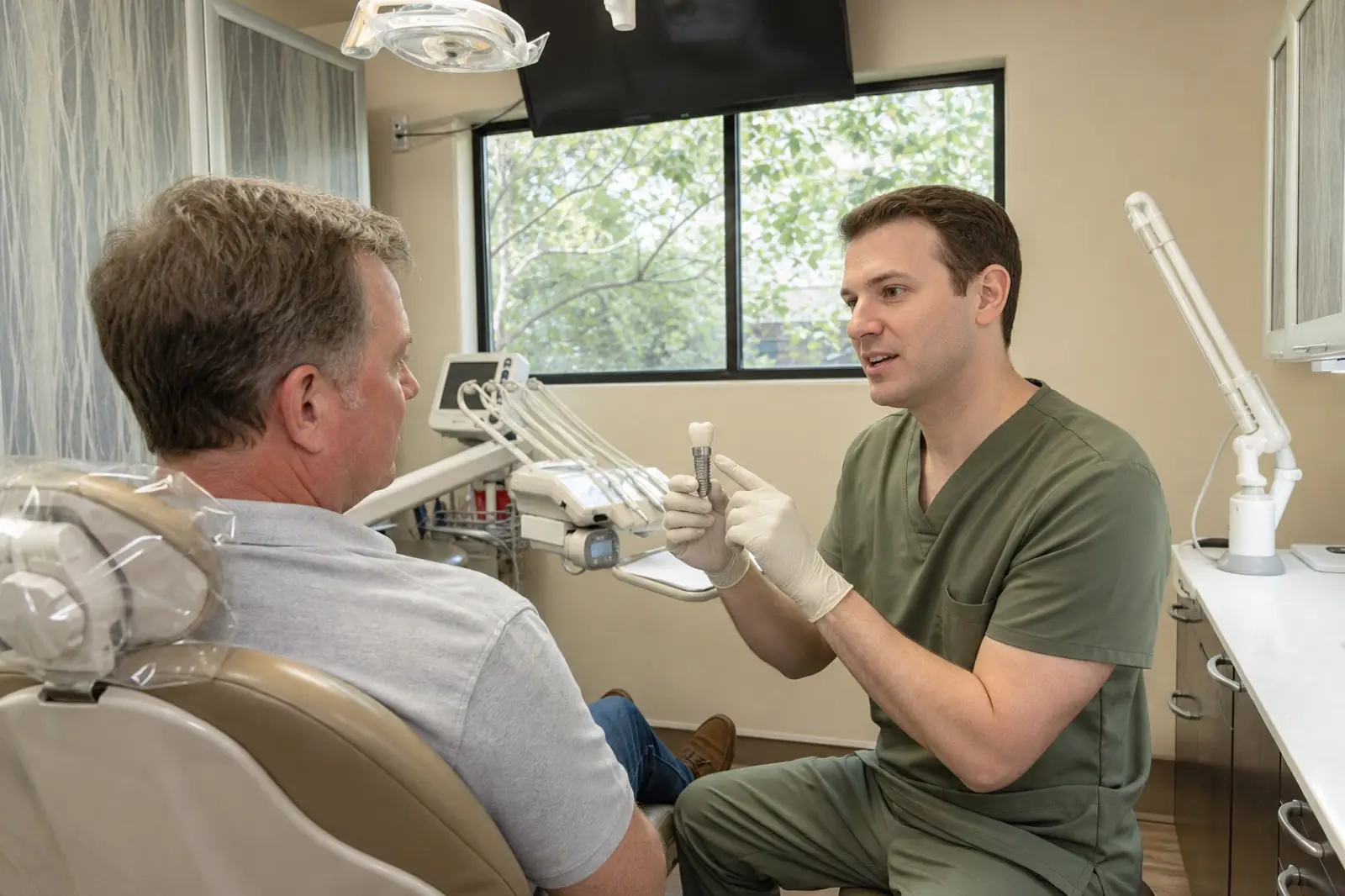
Those considering dental implants should be in good oral and physical health. Of special importance is the patient's jawbone density. The jawbone must be able to support the dental implant. Additionally, the patient must be healthy enough for surgery and either be free of gum disease or it is well controlled. Patients who smoke or have chronic conditions like diabetes that are not well controlled may not be candidates for dental implants.
Getting a dental implant tends to take longer than other replacement options. If there are no preparatory procedures such as bone or gum grafting needed, the process usually involves the following:
The first procedure involves placing the dental implant into the jawbone. This surgery varies by patient but takes about an hour per implant. After the dentist places the implant, the healing and integration period occurs, where the implant fuses with the jawbone, known as osseointegration. This process typically takes roughly three to six months.
Once osseointegration is complete, the dentist places the abutment during a second surgery. The abutment is a small attachment that connects the implant post to the restoration. After the gums heal, the dentist takes an impression and sends it to an offsite lab to make the final restoration.
Once the crown or restoration is ready, the patient can come in for the final step in the process. After attaching the crown, bridge, or denture, the dentist will check its fit and functionality and make adjustments to ensure the best possible fit.
Following the dentist's aftercare instructions are important for supporting the success of the process. This includes continuing with regular flossing, brushing, and dental checkups. Proper dental care helps ensure the surrounding tissue's health and the implant's longevity.