
Patient Education
Dental Implants: A Permanent Solution for Missing Teeth
Possible risks and complications of dental implants
Missing teeth are more than a cosmetic concern. They can impact your ability to eat, speak, and maintain your overall oral health. Fortunately, dental implants are a permanent and effective tooth replacement solution. Dental implants are designed to look, feel, and function like natural teeth, helping you regain confidence in your smile. Due to their benefits over traditional tooth replacement options, dental implants provide excellent long-term value and can be a terrific investment in long-term oral health.
Dental implants are artificial tooth roots made from biocompatible materials, typically titanium. They are surgically placed into the patient's jawbone. Over the healing process known as osseointegration, the post integrates with the jawbone, providing a strong foundation for a replacement tooth. On average, this process takes about six to nine months.
Once the implant has fully integrated with the jawbone, the dentist will attach a custom-made restoration to the abutment, mimicking the look and function of a natural tooth. The type of restoration depends on the number of teeth the patient needs to replace, the location of the replacement teeth, and personal preference. For example, if the patient is only missing one tooth, the dentist will often recommend a dental crown. In other cases, if the patient is missing most of their teeth, the dentist may recommend fixed dentures or All-on-4 implants.
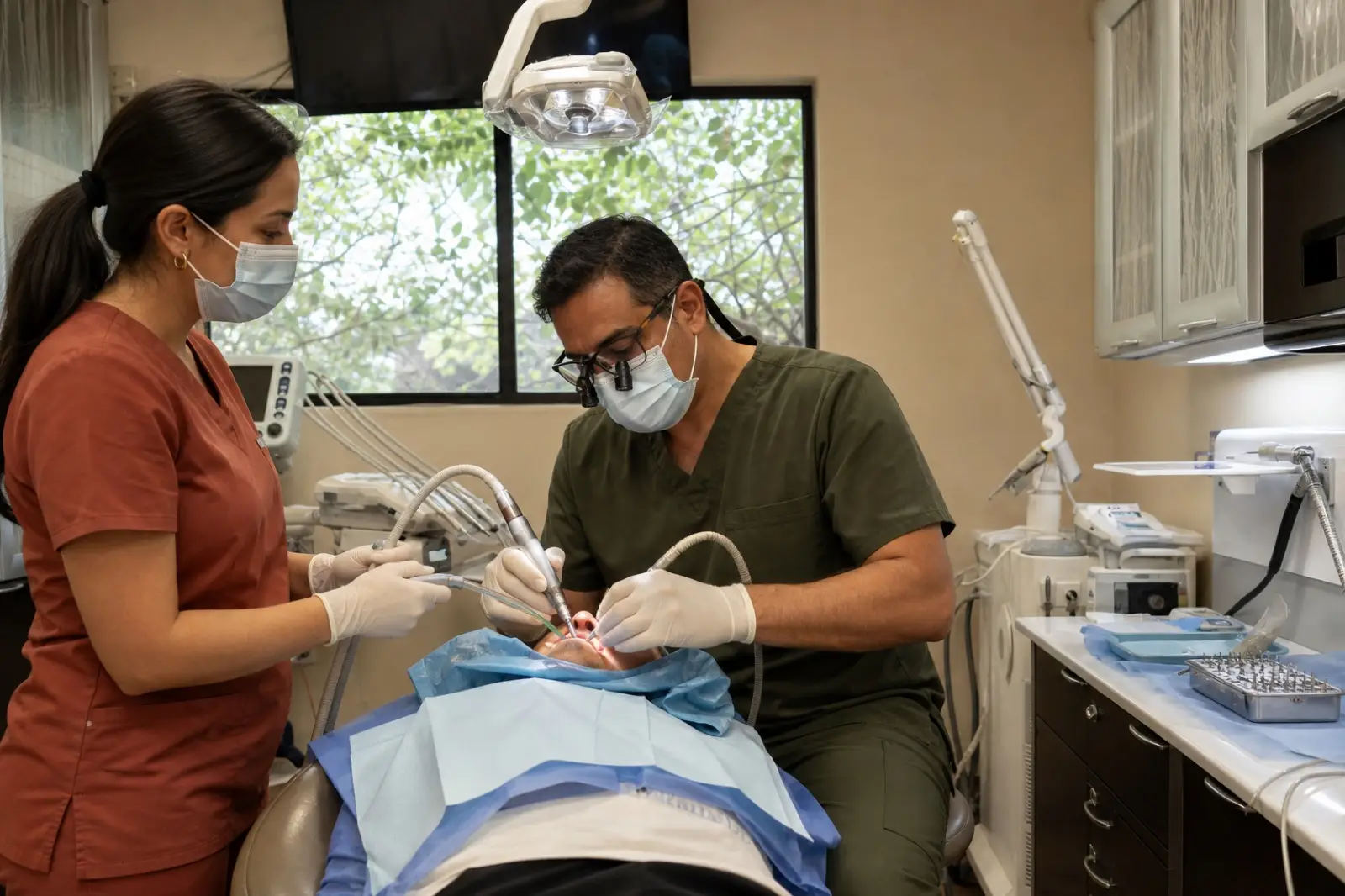
One of the most significant benefits of dental implants is their durability. Unlike other tooth replacement options such as removable dentures or bridges, which may need to be replaced or adjusted over time, dental implants are designed to last a lifetime with proper care. While they require more of an investment upfront, their durability makes them a cost-effective solution in the long run.
Dental implants also help the jawbone. When a person loses a tooth, the bone tissue in the jaw may begin to deteriorate due to a lack of stimulation from everyday biting and chewing forces. This process is known as bone reabsorption and can cause the face to sag, particularly if the patient is missing multiple teeth. Dental implants provide the necessary stimulation to prevent bone loss, maintain the structure of the patient's face, and prevent the sunken appearance associated with tooth loss.
Dental implants function and look just like natural teeth. They allow patients to eat their favorite food without worry, speak clearly, and smile with confidence. Unlike removable dentures, there is no risk of slippage or discomfort. They also do not require special maintenance beyond regular brushing, flossing, and regular dental visits.
While dental implants are generally safe and successful, like any surgical procedure, they carry potential risks and complications. It is important to be aware of these possibilities before undergoing the procedure. Some of the risks associated with dental implants include:
Understanding these risks and discussing them with the general dentist can help patients make an informed decision about whether dental implants are the right choice for them.