
Patient Education
What Is the Process of Getting Dental Implants?
The process of getting a dental implant involves oral surgery. It can be nerve-wracking to think about what will happen on treatment day. Knowing what to look forward to can help calm you down and prepare you instead. Here are the details to consider in dental implant surgery.
Dental implant surgery is an intrusive procedure. A team of healthcare professionals may work together to ensure a patient’s health during and after the surgery. The patient’s dentist will perform an extensive dental examination. Ordering 3D scans and digital dental X-rays can show what is happening underneath the gumline.
The dentist will review the patient’s medical history. Telling the dentist one’s medications, supplements, and dental history can provide an idea of the patient’s general health status. The collected information can help the dentist to create a custom-fit dental plan. Some patients may need to take antibiotics before dental implant surgery.
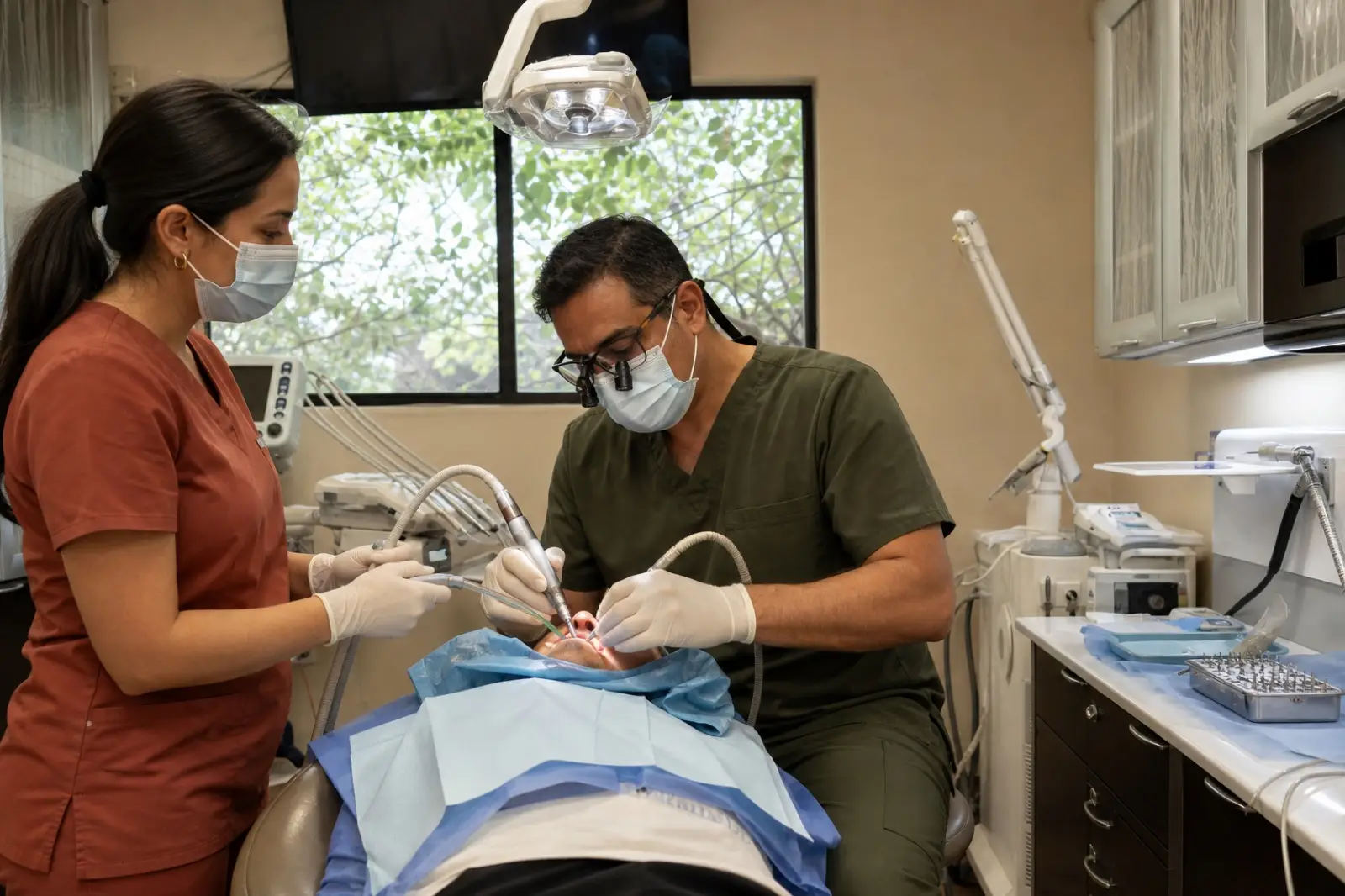
Injecting the surgical site with local anesthesia is a common way to make the procedure painless. Other patients may need general anesthesia or IV (intravenous) sedation. Someone must bring the patient home after the procedure if the patient is under general anesthesia. The effects of dental sedation can last for hours after dental implant surgery.
This type of surgery is for patients with extremely soft or thin jawbones. Bone grafting must happen before getting a dental implant. This procedure can thicken and strengthen the jawbone. The patient can get the implants after the jawbone heals completely.
The dentist can get grafting materials to rebuild one’s jawbone. The graft may come from the patient’s body, an artificial bone graft, or a bone substitute. The dentist can discuss the available options. From here, the patient can recommend the ideal material that will work for the patient’s needs.
Recovering from bone grafting will take many months. Growing new bone takes a long time, especially if the aim is to thicken a section of the jawbone. Some dentists perform minor bone grafting right after the dental extraction or during the dental implant surgery. It will take many months for the area to grow enough bone. Getting a dental implant can proceed once the grafting site is fully healed.
The dentist will cut through the gum tissue to expose the jawbone. Then, drilling an implant hole will follow. The dentist will insert the titanium rod into the hole. Stitching the gum tissue over the top of the rod will seal the area and encourage healing. The dentist will place a temporary denture to fill the dental gap until it is time to attach the abutment and dental crown. Remember to clean and soak this denture before bed.
Studies reveal that osseointegration can take three to six months. It depends on how a person heals. This is the period in which the bone and the titanium rod will merge. The process will result in a strong foundation for the rest of the dental implant.
The patient will come back to the clinic once the osseointegration is complete. The abutment placement will involve minor surgery at the clinic. A local anesthetic will numb the area first. Cutting the gum tissue at the top of the implant will expose the rod. The dentist will attach the abutment and stitch the gum tissue around it. This will take another two weeks to heal.
Taking impressions of the treated area will follow. This step will ensure the snug fit of the dental crown. The lab will create the permanent crown while the area heals. The patient will come back after two weeks. Attaching the dental crown will complete the treatment.